

When You Live Solo, Your Space Should Feel Like a Hug
When you are creating a home in to live alone, your home becomes your anchor — the centre from which your stability and peace of mind radiate. It’s where you’re kept safe, where your prized possessions live, and where you gather your tools for daily life. It’s also where you dream, cry, recharge, and make plan C, D, and E when life throws curveballs. In this article, I’ll explore how to create a home that feels like you — one that grounds and uplifts you, nurtures joy, and gives you space to grow into who you are now, in your 50s and 60s.
The Emotional Foundation – Why “Feeling at Home” Matters
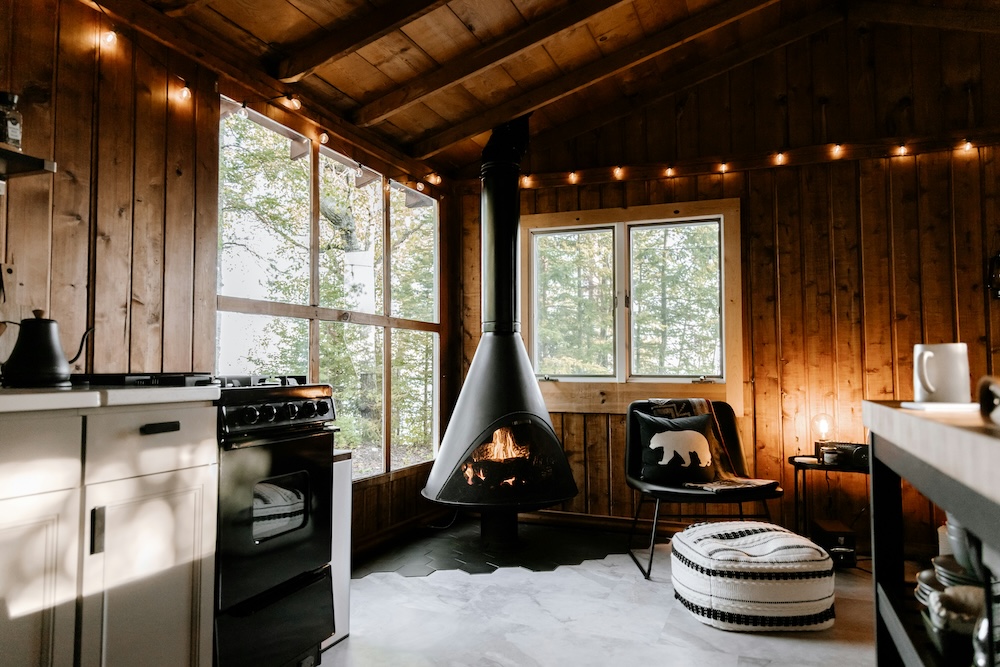
Psychologists have long studied how our surroundings shape our sense of wellbeing. Simply put, we all need a safe place to retreat — somewhere we feel secure, grounded, and that we belong. That’s why our homes hold such emotional weight.
For those of us living solo, that sense of belonging isn’t tied to other people within our walls. You might assume that simply having your own place automatically brings that feeling of “home.” But it doesn’t always work that way.
When I first lived alone, my apartment was practical — it had everything I needed to function comfortably — but it wasn’t emotionally nourishing. I barely decorated. I didn’t hang artwork or display anything that reflected my interests or personality. I told myself it wasn’t worth the effort because I’d be moving soon anyway, as soon as I left University.
The space served its purpose — it taught me independence — but it never felt homey. I often felt bored or lonely, assuming it was because I lived alone. In hindsight, it was because I hadn’t bonded emotionally with the space. It wasn’t a reflection of me. When I eventually moved, it was easy to walk away.
By creating a space that mirrors your personality, memories, and comforts, you not only strengthen your sense of self, but also build emotional protection against the chaos of the outside world. That’s why so many people struggle to leave homes they’ve loved for decades — the walls hold more than furniture. They hold the life lived there.
So before making big or costly decorating decisions, pause. Think carefully about who you are now — and who you’re becoming.
Step One: Define What “Feels Like You”
In my second chapter of living alone — this time in my fifties — I finally understood how important it was to create a space that reflects who you are.
Newly single and with my daughter preparing to move out within a year or two, I had to rediscover myself. My walls initially held bits of my past mixed with pieces of who I thought I might become.
Over time, I learned which things were fleeting interests and which truly felt like me. It took several moves and redesigns before my space began to mirror my current energy, interests, and dreams.
Before decorating or redecorating, pause and ask:
- What mood or vibe do I want?
- Do I want energy and creativity — or calm and comfort?
What spaces or colours make me feel grounded, inspired, and at peace?
When I’m exploring what resonates, I start by taking screenshots of rooms and designs I love online. Not to replicate them — but to find patterns. Common colour palettes, textures, and shapes often reveal what draws me in emotionally.
I also think about the homes I’ve visited where I felt instantly at ease. What made them feel welcoming?
For me, the answer was nature. I realized I’m happiest surrounded by trees, natural light, and the sounds of wildlife. I wanted a home that felt like a cottage — within city limits for convenience, but close to water, gardens, and greenery.
When I found a small bungalow by the water with an oversized back patio and garden, I knew immediately: this was home. From the first day I moved in, I felt at peace. It’s hard to imagine ever leaving now; it’s become an extension of me.
Step Two: Surround Yourself with Personal Meaning
My love of nature influenced everything — my furniture, colours, and textures. I loved the Brazilian hardwood floors that came with the house, the rustic accents in stone and metal that I then provided. I filled the rooms with soft greens from my many plants, textured pillows and throws, black framed artwork.
My artwork combines modern nature-inspired painters (like Canadian artist Robert Craig) with framed posters from the modern art movement — gifts from my father. I only saw him during summers growing up, so these pieces are among the few things I have from him. They remind me not only of what we shared, but also of what could have been.
Of course, visitors won’t know these backstories — but they’ll sense that my space tells a story rooted in both memory and meaning. This is the foundation of midlife home decorating.
Photos of family are scattered throughout. A framed photo of my childhood summer home hangs in the dining room. Children’s toys sit neatly on a baker’s rack, ready for my young grandkids’ visits.
Books — especially children’s literature from my years as a teacher and librarian — fill my shelves and are stuffed into corners in bundles. Though I’ve downsized twice, I can’t bear to part with the rest. They represent a lifetime of stories I love. One day, I plan to have a custom bookcase built to display them all together — a literal wall of comfort.
These things aren’t just decor. They’re my life in objects.
Step Three: Create Atmosphere — The Invisible Decor
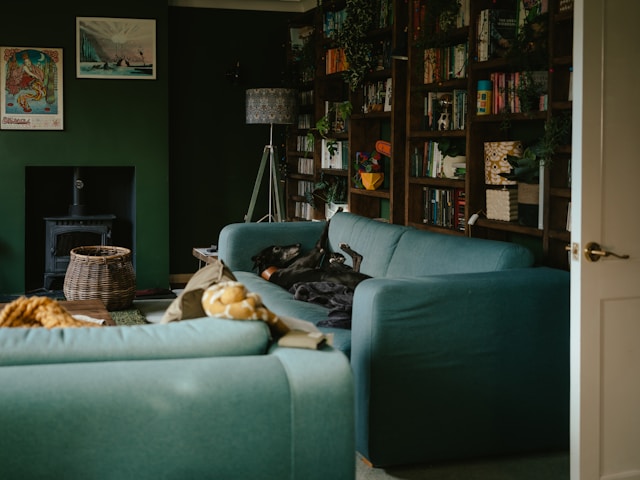
Once your home visually reflects you, it’s time to focus on the invisible layer — the sensory atmosphere. These are the subtle things that shape how your space feels: scent, sound, temperature, and lighting.
Candles, diffusers, or fresh flowers can add a comforting aroma. Soft breezes from ceiling fans or the warmth of a gas fireplace can shift a room’s emotional tone.
My father always had soft jazz or blues playing throughout the house — indoors and out. That memory has stuck with me, so I’ve made an effort to fill my own space with music again. My playlists are eclectic: acoustic guitar, classic rock, folk, show tunes, country, Celtic and choral music. Whatever your tastes, let sound fill your home. It creates life and presence — especially when you live solo.
Lighting also makes an enormous difference. Mix overhead, mid-level, and task lighting. Experiment with warm vs. bright white bulbs. Adjust the mood as needed — cozy for evenings, energizing for mornings. The more flexibility you give yourself, the more your home can adapt to your mood and needs.
Step Four: A Home That Reflects Your Personality
Design your home for the life you actually live, not for how others say you should live.
Functionality is key. Arrange your space so that what you use daily is easy to access. If you exercise at home, carve out an area for it — even if it looks unconventional. My living room has an open space that stays that way, because twice a day I roll out a yoga mat to stretch, or work out.
If you love entertaining, make sure you have seating, storage, and flow for guests. If reading is your joy, create a cozy nook with a blanket, lamp, and spot for your tea.
And please — don’t make your home a museum of tidiness. Leave out the things you love and use often. Let your home show who you are.
If certain items don’t fit your aesthetic, find beautiful ways to store them. Woven baskets, vintage trunks, or colourful organizers can disguise clutter while keeping everything close at hand.
The goal isn’t perfection — it’s harmony.

Step Five: Refresh, Evolve, and Keep It Alive
Just as we evolve, our homes should evolve too. Your 50s and 60s can be times of profound personal growth, and your surroundings should grow along with you.
Sometimes small updates — new artwork, rearranged furniture, swapping out your past and present hobby equipment, or fresh plants — can make your home feel renewed.
Recently, I swapped my dining and living rooms so that I could work facing my backyard birdfeeders. It took less than an hour to move the furniture, but the shift brought me so much joy.
Now, as I write, I can watch squirrels bury acorns and birds flit through the trees. It’s calming and inspiring — a reflection of who I’m becoming.
As my life shifts from teaching to writing and content creation, my home is shifting too — adapting to my creative energy.
Bigger redesigns may come in time, and that’s something to celebrate. Growth means change, and when you start feeling a little out of place in your home, it might just mean you’re growing again.
Closing Reflections – Coming Home to Yourself
Ask yourself: how do I want to feel in my home? Can someone walk through my door and get a sense of who I am — my interests, my essence, my warmth? What is my true identity?
For those of us living solo, when your home feels like you, solitude becomes nurturing — not lonely. It’s solo living inspiration at its best!
I hope this inspires you to shape your space into a reflection of your truest self. When you do, you’ll find it brings a deep sense of peace, pride, and belonging that can’t be measured — but can absolutely be felt.
“When I walk in my door now, I don’t just see my things. I see my life — unfolding, soft, and uniquely mine.”
For more reading, Finding Fulfillment in Simple Living
Leave a Reply